

Loch Modan and the Stonewrought Dam stand as testaments to the engineering prowess of the dwarves in World of Warcraft’s early lore. These structures not only served practical purposes but also showcased advanced techniques and designs that were revolutionary for their time. Understanding their significance requires delving into the mechanics of their construction, the strategic advantages they provided, and their cultural importance to the dwarven race. This guide will explore the intricacies of these engineering marvels and their lasting impact on the game world.
What Were the Key Features of Loch Modan and the Stonewrought Dam?
Loch Modan and the Stonewrought Dam featured advanced engineering techniques, including intricate water management systems, robust structural designs, and strategic military positioning.
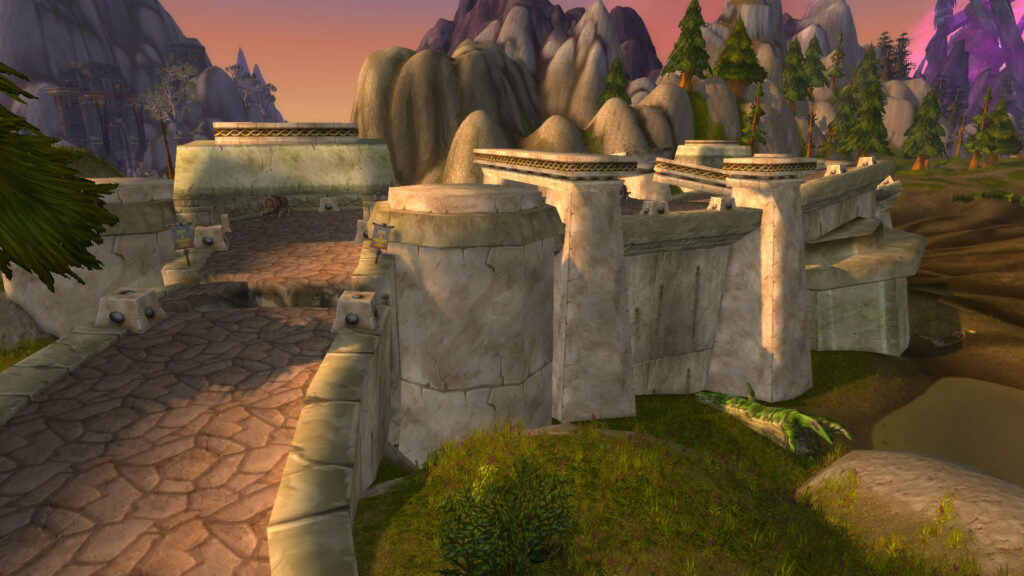
Loch Modan, a picturesque lake surrounded by mountains, was designed to harness the natural landscape for both aesthetic and functional purposes. The Stonewrought Dam, an essential component of this ecosystem, was constructed to control water flow and prevent flooding, showcasing the dwarves’ understanding of hydrodynamics. The dam’s architecture included reinforced stone walls and a series of sluice gates that allowed for precise water management, demonstrating a sophisticated grasp of engineering principles. This not only protected the surrounding lands but also provided a reliable water source for agriculture and industry, highlighting the dwarves’ foresight in resource management.
Moreover, the dam served as a strategic military stronghold, providing the dwarves with a defensive position against potential threats from the surrounding wilderness. Its elevated vantage point allowed for surveillance of the area, while the lake itself acted as a natural barrier against invaders. The combination of these features made Loch Modan and the Stonewrought Dam not just functional structures, but also symbols of dwarven ingenuity and resilience in the face of adversity.
How Did the Dwarves Construct the Stonewrought Dam?
The construction of the Stonewrought Dam involved advanced techniques such as stone carving, hydraulic engineering, and the use of magical enhancements to ensure durability and stability.
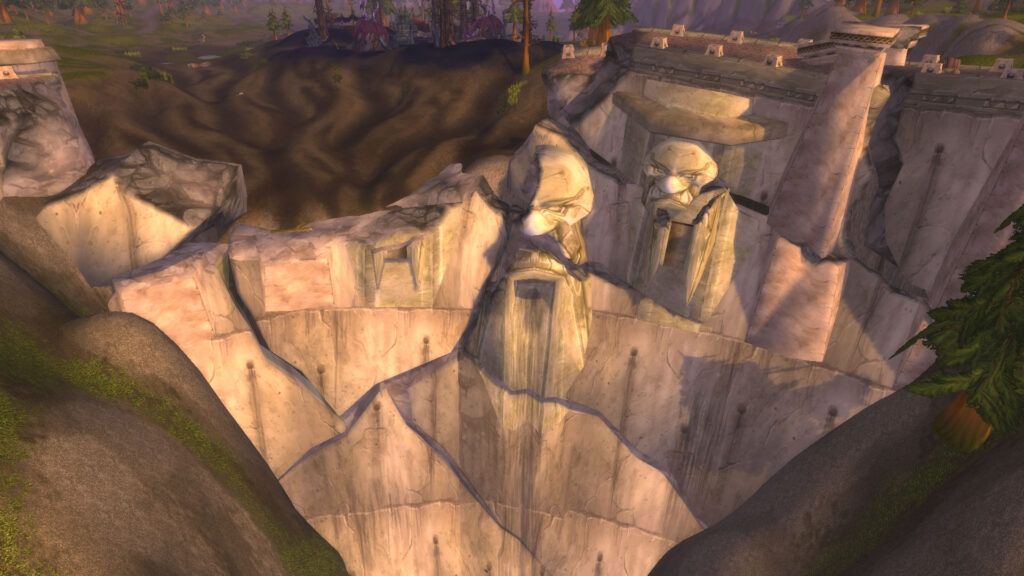
The dwarves utilized their unparalleled skills in stonework to carve the dam from the surrounding granite, employing tools that allowed for precision and strength. The process began with extensive surveying of the landscape to determine the optimal location for the dam, ensuring it could withstand the pressures of the water it would hold back. Hydraulic engineering principles were applied to design the sluice gates and spillways, which were crucial for managing water levels and preventing overflow during heavy rains or snowmelt. This meticulous planning and execution exemplified the dwarves’ commitment to creating a lasting structure that would serve future generations.
Additionally, the dwarves often infused their constructions with magical elements, drawing on their deep connection to the earth and the arcane. This not only enhanced the structural integrity of the dam but also provided it with protective properties against natural disasters and enemy attacks. The combination of traditional engineering methods and magical enhancements resulted in a dam that was not only functional but also resilient, capable of withstanding the test of time and the elements.
- Conduct thorough geological surveys to identify the best materials for construction.
- Employ skilled stoneworkers to carve and shape the dam’s structure with precision.
- Integrate hydraulic systems for effective water management and overflow control.
- Utilize magical enhancements to reinforce the dam against environmental and combat threats.
What Impact Did Loch Modan and the Stonewrought Dam Have on Dwarven Society?
Loch Modan and the Stonewrought Dam significantly impacted dwarven society by providing essential resources, enhancing trade routes, and fostering a sense of community and security.
The construction of the dam allowed for the creation of a stable water supply, which was crucial for agriculture and industry in the region. This led to increased food production and the establishment of trade routes that connected Loch Modan with other dwarven settlements and races. The availability of resources attracted merchants and artisans, fostering economic growth and cultural exchange. The dam not only served as a physical barrier but also as a symbol of dwarven unity and strength, reinforcing their identity as a resilient and industrious race.
Furthermore, the strategic positioning of the dam provided a sense of security for the dwarven populace. With the natural defenses offered by Loch Modan, the dwarves could focus on expanding their territory and influence without the constant threat of invasion. This stability allowed for advancements in technology and culture, as resources could be allocated towards innovation rather than defense. The dam and the lake became central to dwarven life, representing both their engineering prowess and their ability to thrive in a challenging environment.
| Impact Area | Description | Benefits | Long-term Effects |
|---|---|---|---|
| Resource Management | Stable water supply for agriculture | Increased food production | Population growth and settlement expansion |
| Trade Routes | Enhanced connections with other regions | Economic growth and cultural exchange | Strengthened alliances with other races |
| Security | Natural defenses against invasions | Increased stability and focus on innovation | Advancements in technology and culture |
What Challenges Did Loch Modan and the Stonewrought Dam Face?
Loch Modan and the Stonewrought Dam faced numerous challenges, including environmental threats, resource depletion, and external conflicts that tested their resilience.
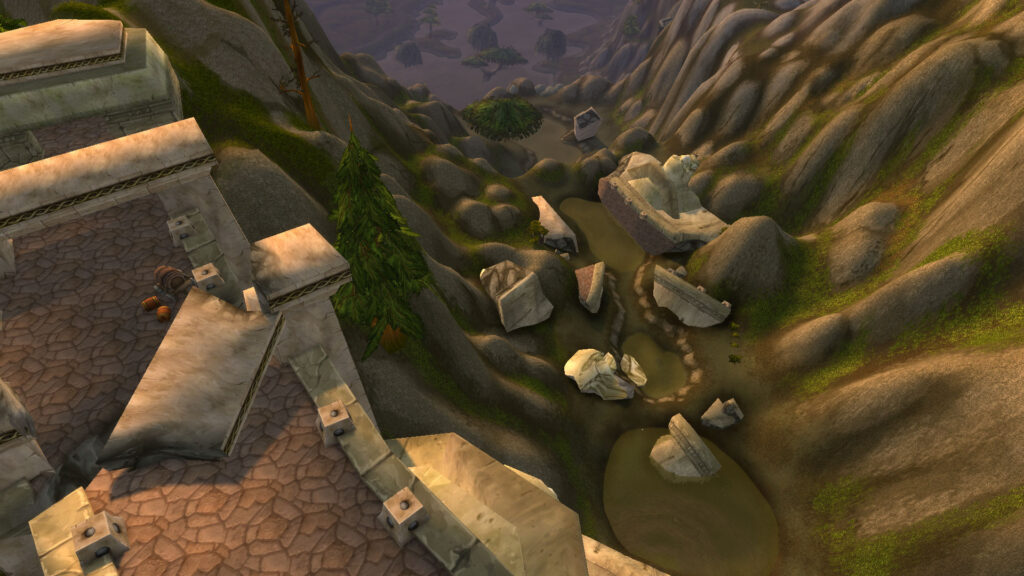
Environmental challenges, such as heavy rainfall and snowmelt, posed significant risks to the structural integrity of the dam. The dwarves had to constantly monitor water levels and implement maintenance protocols to prevent overflow or erosion. Additionally, the surrounding wilderness was home to various hostile creatures that threatened the safety of the dwarven settlements. This necessitated the establishment of a robust defense system, including patrols and fortifications, to protect the dam and its resources from potential attacks.
Resource depletion also became a concern as the population grew and demands on the dam increased. The dwarves had to balance their agricultural practices with the need to maintain the dam’s functionality, leading to conflicts over land use and water rights. These challenges required innovative solutions and collaboration among the dwarven clans to ensure the sustainability of Loch Modan and the Stonewrought Dam. The ability to adapt to these challenges ultimately strengthened the dwarven community and reinforced their reputation as skilled engineers and resilient survivors.
How Can We Learn from the Engineering of Loch Modan and the Stonewrought Dam?
Lessons from the engineering of Loch Modan and the Stonewrought Dam include the importance of sustainable resource management, the integration of technology and magic, and the need for community collaboration.
Modern engineering can draw inspiration from the dwarven approach to resource management, emphasizing the need for sustainable practices that balance human needs with environmental preservation. The use of advanced technologies, such as hydraulic systems and structural reinforcements, highlights the importance of innovation in creating resilient infrastructures. Furthermore, the dwarves’ ability to adapt to challenges through community collaboration serves as a reminder of the value of teamwork and shared knowledge in overcoming obstacles.
By studying the principles behind Loch Modan and the Stonewrought Dam, contemporary engineers and planners can develop strategies that not only address current challenges but also anticipate future needs. This holistic approach to engineering, which considers environmental, social, and technological factors, can lead to the creation of sustainable and enduring structures that benefit society as a whole.
What Are the Best Practices for Modern Engineering Inspired by Dwarven Techniques?
Best practices for modern engineering inspired by dwarven techniques include thorough planning, effective resource management, and the integration of innovative technologies.
Thorough planning is essential in any engineering project, as it allows for the identification of potential challenges and the development of strategies to address them. Engineers should conduct comprehensive surveys and feasibility studies to ensure that their designs are practical and sustainable. Effective resource management, as demonstrated by the dwarves, involves careful consideration of environmental impacts and the long-term viability of resources. This includes implementing conservation practices and exploring alternative materials that minimize ecological footprints.
Finally, the integration of innovative technologies, including automation and smart systems, can enhance the efficiency and effectiveness of engineering projects. By leveraging advancements in materials science and construction techniques, modern engineers can create structures that are not only functional but also resilient and adaptable to changing conditions. Embracing these best practices will ensure that future engineering endeavors are inspired by the wisdom of the past while addressing the needs of the present and future.
Frequently Asked Questions
What was the primary purpose of the Stonewrought Dam?
The primary purpose of the Stonewrought Dam was to control water flow in Loch Modan, preventing flooding and ensuring a stable water supply for agriculture and industry. It also served as a defensive structure against potential threats.
How did the dwarves ensure the dam’s structural integrity?
The dwarves ensured the dam’s structural integrity through meticulous stone carving, hydraulic engineering, and the incorporation of magical enhancements that reinforced its durability and resistance to environmental challenges.
What lessons can modern engineers learn from the dwarven engineering of Loch Modan?
Modern engineers can learn the importance of sustainable resource management, the integration of technology and innovation, and the value of community collaboration in overcoming engineering challenges and creating resilient infrastructures.